




Takamine
GLD12ENS 12 Dreadnought Spruce-Mahogany - B Stock

Takamine
Gn20-Ns Natural Satin - B-Stock

Takamine
Nex Electro 3/4 Natural Satin

Takamine
"S" T-shirt Takamine TS01 Man Black

Takamine
"XXL" T-shirt Takamine TS01 Man Black

Takamine
Japan Tt Dreadnought Cutaway Electro

Takamine
Japan P5Dc Dreadnought Cutaway

Takamine
GY21E SM New Yorker Satin Molasses

Takamine
Signature John Jorgenson JJ325SRCL

Takamine
Japan Ef508Kc
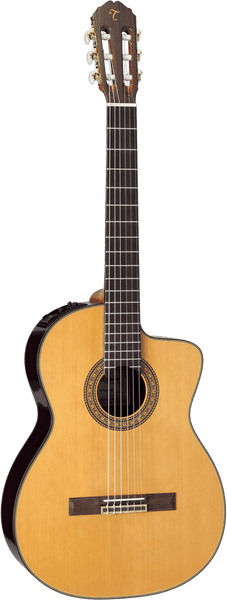
Takamine
EC132SC Classical CW Natural
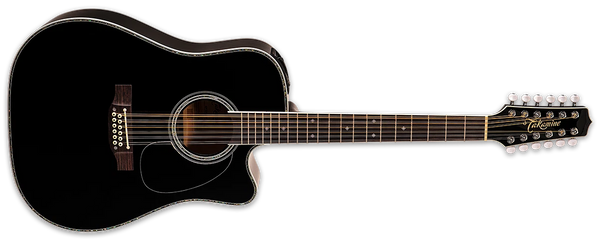
Takamine
Ef381Dx Dreadnought 12 CW Black

Takamine
Japan Ec P4Dc Dreadnought Cutaway

Takamine
FSF40C Nex Santa Fe CW Natural Gloss

Takamine
Japan Lh Handed Ec P3Nc Nex Cutaway

Takamine
Japan Lh Handed Ef341Sc-Lh

Takamine
GD21CE Dreadnought Satin Molasses

Takamine
OM CW LTD 2025 Glossy Antique Evergreen

Takamine
Gn30 Natural B-Stock

Takamine
Japan Thin Line Series Tsp100 Fx Cutaway Quilt Dark Blue Sunburst
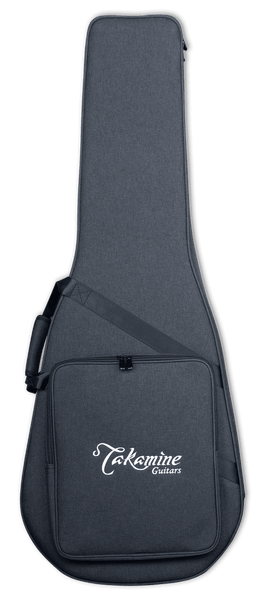
Takamine
Softcase for Jumbo guitar

Takamine
DH90 Hirade Classique CW Natural - B Stock

Takamine
Gd30Ce 12 Natural - B Stock

Takamine
Japon Thin Line Series Tsp100 Fx Cutaway Quilt Vintage Tobacco

Takamine
Gln12Ens 12 Nex Spruce-Mahogany - B Stock

Takamine
GD21CE Dreadnought Satin Molasses - B Stock

Takamine
Gld11Ens 11 Dreadnought Acajou - B Stock
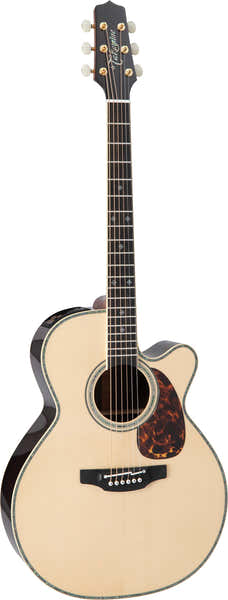
Takamine
Nex Cutaway Electro RNV460C
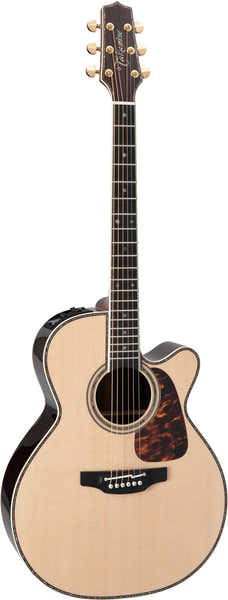
Takamine
Nex Cutaway Electro P10NC

Takamine
"L" T-shirt Takamine TS01 Man Black

Takamine
GP3HSE 3/4 Takamini Dreadnought Electro Natural Satin

Takamine
Dreadnought Cutaway Electro P10DC

Takamine
Gd30 Natural - B Stock

Takamine
Japan Ec P3Fcn Fcx Cutaway Nylon

Takamine
Gd30Ce Natural - B Stock

Takamine
GD74CE-12 Dreadnought Strings Natural

Takamine
Gn30 Black - B Stock

Takamine
Gf30Ce Natural - B Stock

Takamine
Gd34Ce Black - B Stock
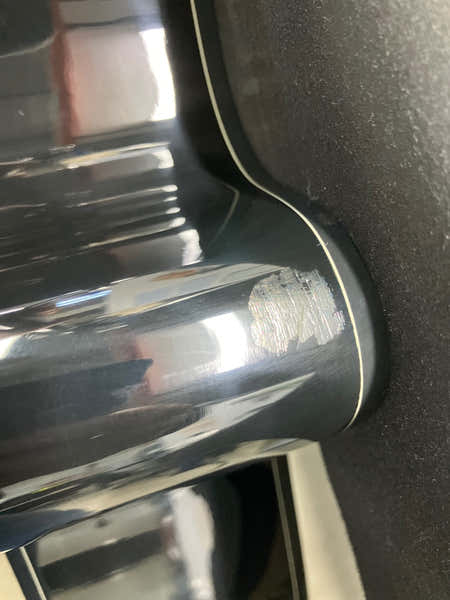
Takamine
Gf15Ce Blk Gls Tp4 Td - B Stock

Takamine
Gf15Ce Blk Gls Tp4 Td - B Stock

Takamine
Gd30Ce Natural - B Stock

Takamine
Japan Ef360Gf Signature Glenn Frey Dreadnought

Takamine
DSF48C Nex Santa Fe CW Natural Gloss

Takamine
Gn51Ce Brown Sunburst - B Stock
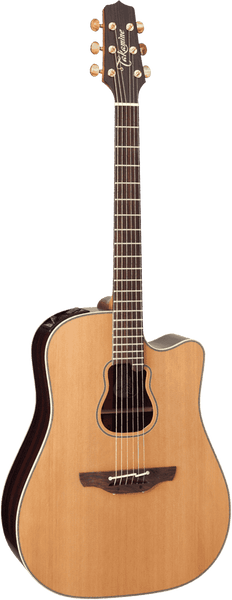
Takamine
Japan Natural
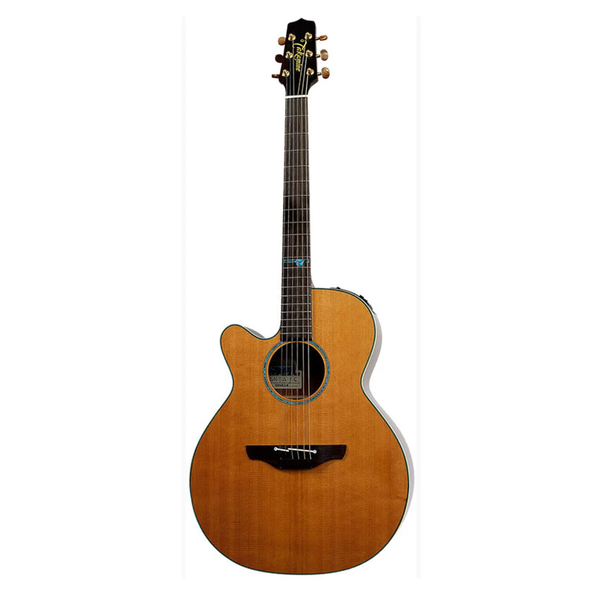
Takamine
FSF40C Nex Santa Fe CW Natural Gloss LH

Takamine
Medium - Polo
About the brand Takamine
Some dates:
- 1959 – Ohsone Gakki Ltd., the predecessor of Takamine was created
- 1962 – Renamed Takamine Gakki Ltd., referring to the symbol of Sakashita, Mount Takamine.
- 1965 – Change of status to joint-stock company, Takamine Gakki Co., Ltd.
- 1968 – Mr. Mass Hirade joined Takamine
- 1975 – Mr. Mass Hirade became President of Takamine
- 1975 – Creation of an Export division to work directly with local importers.
- 1978 – Creation of the patented "Palathetic" pickup
- 1979 – Launch of the first Takamine electro-acoustic model
- 1987 – Launch of the first annual Takamine Limited Series model
- 1988 – Development and marketing of the first removable preamp
- 1993 – Installation of the first laser cutting machine and the first CNC machine to machine spare parts.
- 1999 – Development of the first continuous CNC neck cutting machine (24/7). Thanks to this machine, the neck manufacturing quality is consistent and better.
- 2002 – Launch of the 40th anniversary model
- 2005 – Opening of the new Takamine headquarters and main factory.
1959 saw Takamine start its activity in a small lutherie workshop at the foot of Mount Takamine in Gifu, central Japan. This region was then known for its wood industry. With the emergence of folk music at the end of the 60s, acoustic guitars quickly became popular among Japanese youth; which forced Japanese luthiers to be more competitive and offer better quality guitars. Takamine's success started during these years.
Mr. Mass Hirade joined the company in 1968. He brought real expertise in design and manufacturing quality to Takamine instruments. So much so that his work is still honored today with a series of high-end classical guitars that bear the name "Hirade".
During the 70s, Mr. Hirade took over as President of Takamine and set as the main goal to expand Takamine's distribution internationally by forming a partnership with the Kaman Music Corporation group in the United States.
1978 - Electro-acoustic guitars
At the time Mr. Hirade became President, concert halls were expanding and professional guitarists increasingly had difficulty being heard among other instruments with their acoustic guitar.
Musicians tried many amplification systems such as placing a microphone in front of the guitar, installing a magnetic pickup or a soundhole pickup but the sound quality was far from satisfactory.
At the end of the 70s, Takamine launched a major development program for an electro-acoustic guitar model; the goal was to obtain the most natural amplified sound possible while respecting the technical characteristics of a traditional guitar. This is how Takamine invented numerous effective pre-amplification systems including the famous "Palathetic" pickup. This unique and innovative system integrates a transducer placed under the saddle; which reduces feedback and crosstalk issues. The "Palathetic" pickup is still considered the reference in electro-acoustic guitar pickups.
The first Takamine electro-acoustic guitar equipped with the "Palathetic" pickup was marketed in 1978.
In April 1979, Takamine launched its first electro-acoustic guitar model on the international market. Shortly after, many American artists such as Ry Cooder, Bruce Springsteen, or Jackson Browne took the stage with their own Takamine guitars.
The name Takamine quickly became known worldwide when Glenn Frey of the Eagles used a Takamine 12-string for the intro of the famous song "Hotel California".
1988 - A big step forward
Always aiming to be at the forefront of innovation, Takamine invented in 1988 the first removable and interchangeable preamp. For this, Takamine created a unique format of preamp with integrated battery as well as a standard size housing for this preamp. This innovation was a real blessing for guitarists who could keep their guitar and adapt new preamps.
At the same time, Takamine developed a new truss rod adjustment system, in partnership with G-GOTOH. This new system enhances neck stability and reassures musicians who can perform on stage without wondering if their guitar will be as comfortable to play as at the previous concert.
As if this were not enough, still in 1988, Takamine launched the DSP, the first digital preamp, which was quickly adopted by the greatest musicians worldwide.
In 2004, Takamine announced the arrival of the CoolTube preamp (CTP-1) which integrates a pre-amplification tube (ECC82) for a warmer sound rich in harmonics. This tube operates at low voltage so that the heat it generates is not too strong and does not damage the guitar.
Today
Takamine owes, without a doubt, its great reputation to the quality of its electro-acoustic guitars. This does not mean, however, that Takamine does not manufacture good acoustic guitars. On the contrary. In fact, if a guitar does not sound good acoustically, you can try many combinations of pickups and preamps, your guitar will not sound well electro-acoustically.
By using the best carefully selected woods, Takamine ensures that its guitars are among the best guitars in the world.
Building a guitar requires assembling more than 40 components and passing through 20 specific machines. Takamine uses advanced CNC machines and the latest design assistance software, combined with traditional lutherie methods to offer high-quality guitars.
The combination of modern and traditional methods is the foundation of Takamine guitar quality.
Unique features:
Palathetic Pickup – Technology and Lutherie
In search of balanced and precise sound - The very principle of Takamine electronics is linked to its patented "Palathetic" pickup. The perfectly balanced, clear, and natural sound of Takamine electro-acoustic guitars largely results from this element. This pickup is composed of 6 shielded piezo-electric transducers, one for each string. It is placed under the bridge saddle, isolated from body vibrations; which eliminates any risk of feedback, even at high volume.
Takamine preamps
They adapt to your taste and playing style. All preamps equipping Takamine guitars have the same format, which makes them fully interchangeable. This allows any guitarist to adapt the preamp that perfectly suits their taste and playing style. The integrated battery pack is another common feature on all Takamine preamps. This avoids having to loosen strings and retune to reach the battery inside the guitar body each time you need to change the batteries.
Laser inlay work A masterpiece of precision, the beautiful inlays made on Takamine guitars are also part of the appeal for lovers of these instruments. Instead of having this work done by a luthier with chisel and plane, Takamine uses modern technologies such as computer-aided design, CNC machines, or laser cutting. After shaping the different parts composing a guitar, experienced luthiers assemble the guitar piece by piece. This magnificent combination of materials and colors is the result of the inspiration and experience of Takamine luthiers.
Two-piece bridge saddle
Two-piece bridge saddle for more precise tuning. Except for nylon-string guitars and some models of the Keystone series, all other Takamine models are equipped with the two-piece bridge saddle. The first supports strings 1 and 2, the other supports strings 3 to 6. This allows for more precise tuning and better sound.
Asymmetric neck shape
Improving playability for all, the neck profile of Takamine guitars is offset; its shape is close to an asymmetric "C". This improves playing comfort and reduces wrist movement.
Double truss rod adjustment and side reinforcements
A unique structure to correct neck imperfections. Takamine models feature a double truss rod adjustment system developed in the 90s, in collaboration with the Gotoh Gut company. Whereas traditional truss rods have a very limited action, the double truss rod adjustment system allows movement forward and backward. Two reinforcements are mounted on each side of the truss rod to strengthen the neck and the body/neck joint.
Unique Takamine jack plug
The guarantee of a reliable connection Takamine has created a single-block jack plug which is firmly screwed to the back of the instrument. This prevents the jack input from loosening or falling out and protects the guitar body when unplugging the cable. A second ground has been added to prevent short circuits and connection problems. The connection to the preamp is made by a 3.5 mm mini jack, which can be easily replaced if necessary.


