


Behringer
FBQ2496

Behringer
BV4038

Behringer
SU9920 Sonic Ultramizer
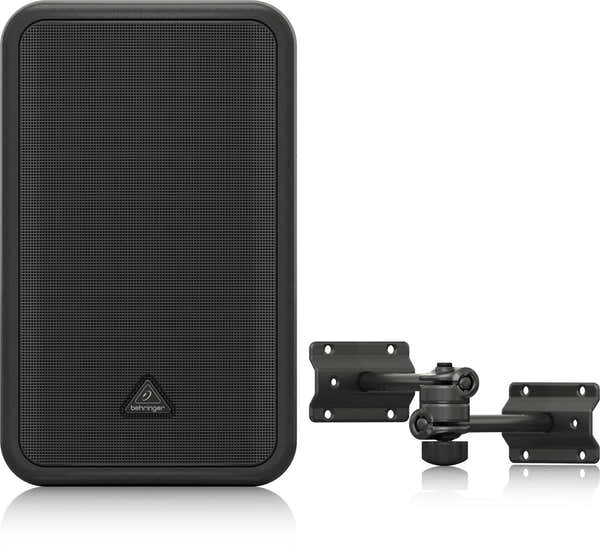
Behringer
CE500d
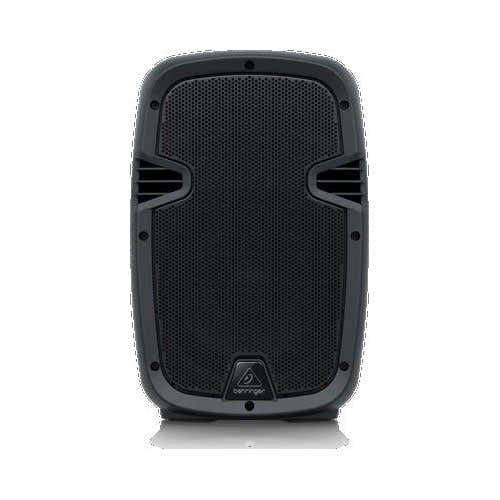
Behringer
PK 108 Passive 8-Inch Speaker

Behringer
1C-BK

Behringer
VT999 Vintage Tube Monster

Behringer
D Mini
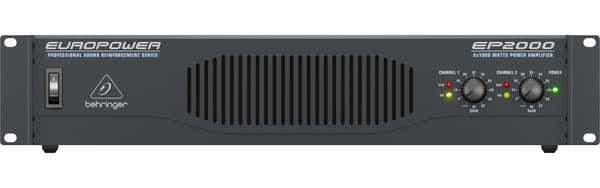
Behringer
Europower EP2000

Behringer
FC600 V2

Behringer
UB-Xa MINI

Behringer
Tube Amp Modeler TM300

Behringer
VMX100USB
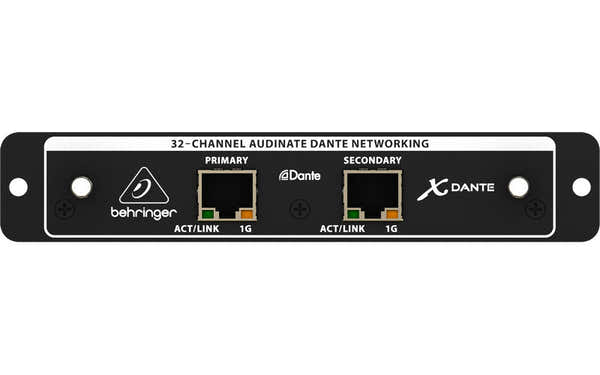
Behringer
X-Dante

Behringer
Eurolive VP1520 – passive speaker 15 Pouces
Behringer
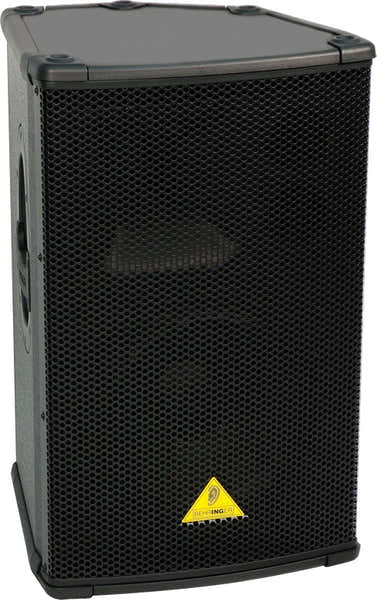
Eurolive B1520 Pro 15" 300W RMS / 8 Ohms

Behringer
Spring Reverb 646

Behringer
BV44

Behringer
2-XM
Behringer
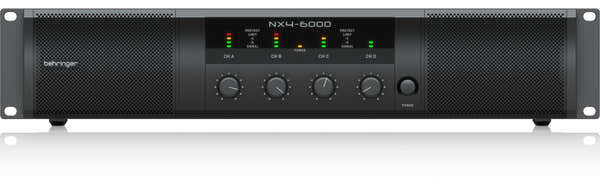
NX4-6000
Behringer
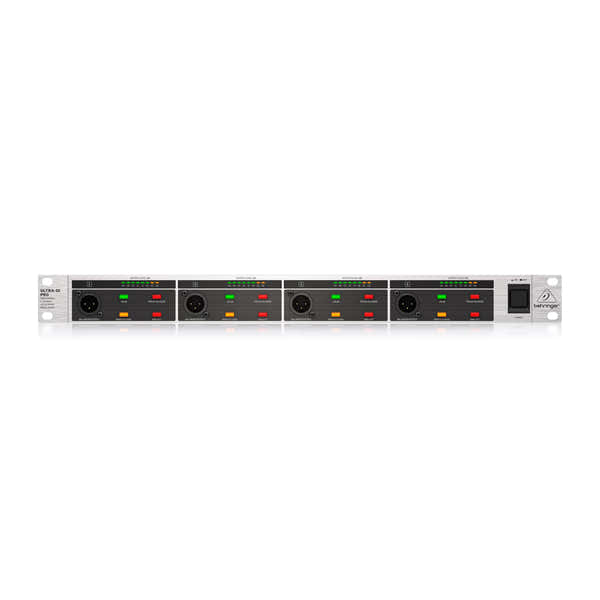
Ultra - DI DI4000 V2
Behringer
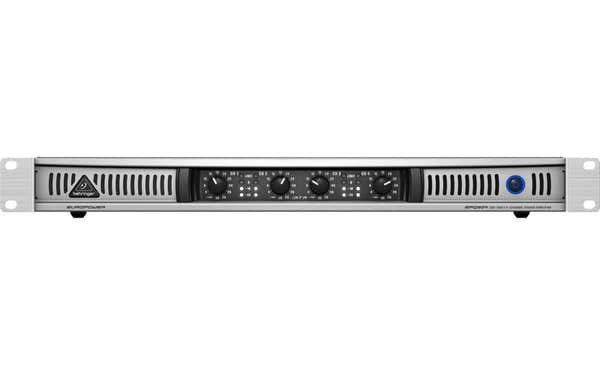
Europower EPQ304

Behringer
SX3040 V2
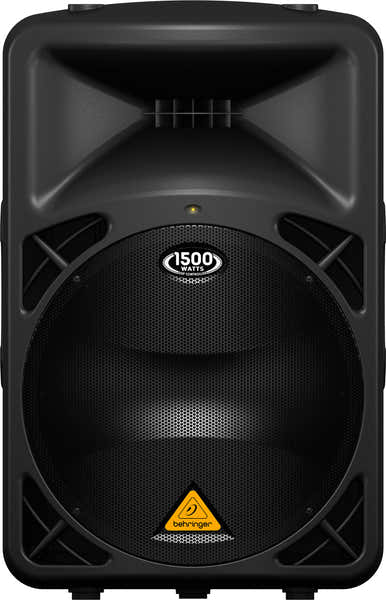
Behringer
Eurolive B615D
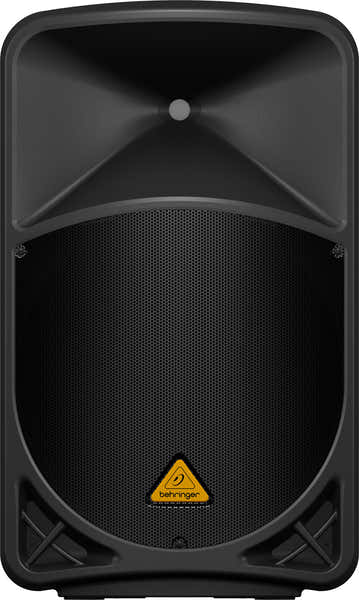
Behringer
Eurolive B115W
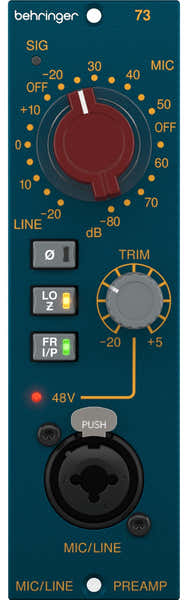
Behringer
73 Preamp

Behringer
VS1520

Behringer
BM-13 Phaser

Behringer
Octavia Octave Fuzz

Behringer
Eurolive B15X
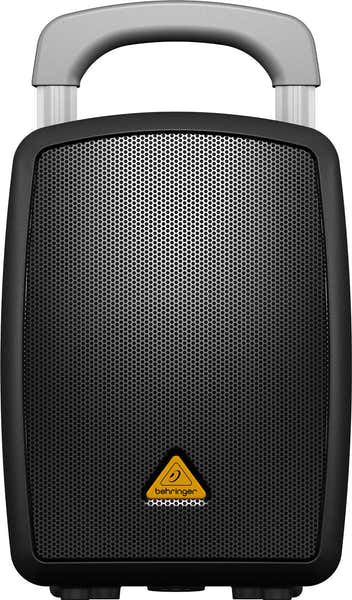
Behringer
MPA40BT-pro

Behringer
BQ-10 Sequencer
Behringer
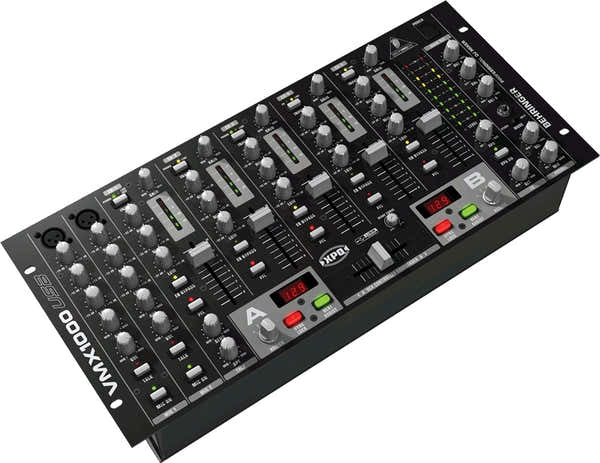
VMX1000 USB
Behringer
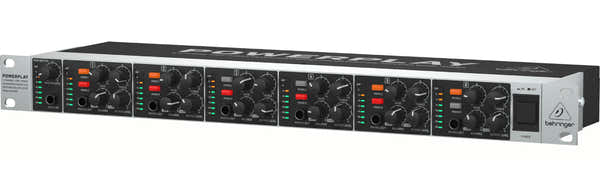
HA6000
Behringer
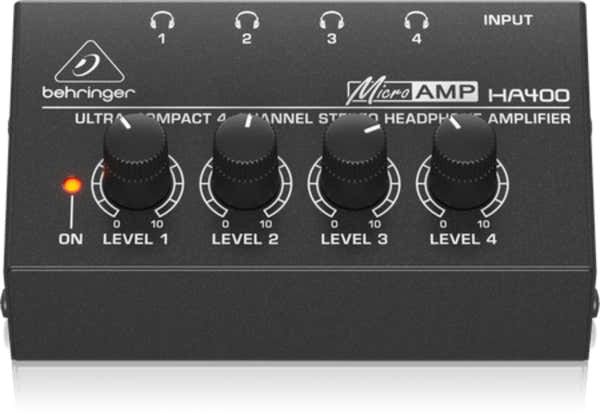
MICROAMP HA400
Behringer
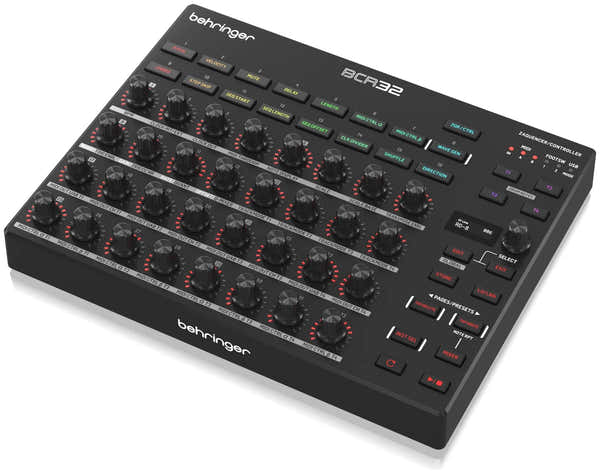
BCR32
Behringer
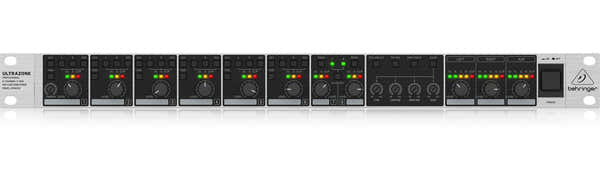
Ultrazone ZMX8210 V2

Behringer
BMX
Behringer
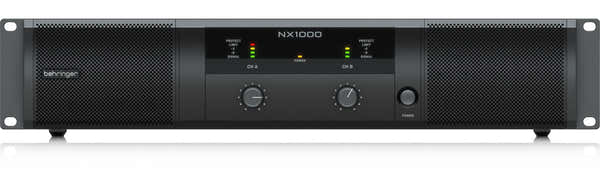
NX1000
Behringer
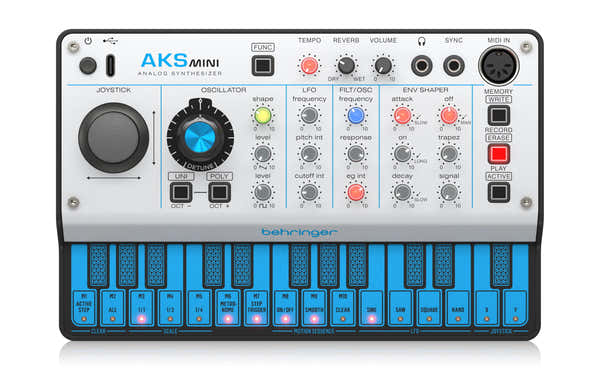
AKS Mini
Behringer
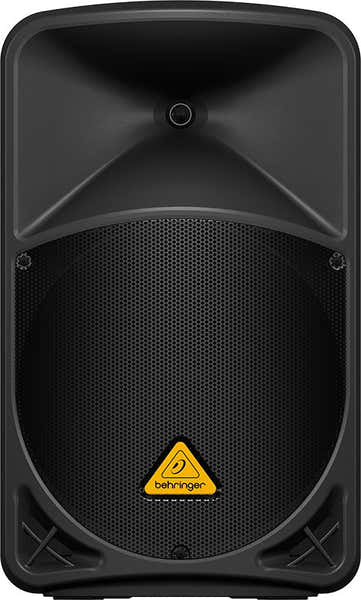
Eurolive B112MP3

Behringer
Monitor1

Behringer
Eurolive B2520 Pro 2X15" 550W RMS / 4 Ohms

Behringer
BM15M Resonance Filter

Behringer
BM-12 Ring Modulator

Behringer
3 TIER MODULAR SYNTH STAND
Behringer
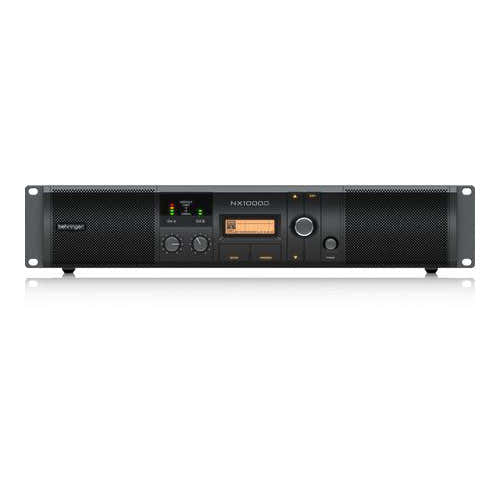
NX1000D
Behringer
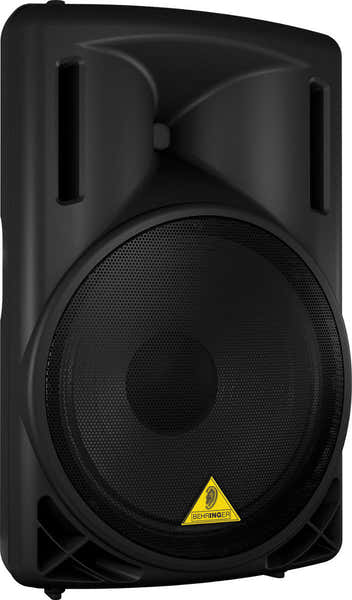
B215D 15" 350 W RMS
About the brand Behringer
From a company created in a kitchen to one of the largest and most famous Pro Audio companies in the world.
It all started in 1989 around a table in Uli Behringer's kitchen and no one would have thought that a company created this way would become one of the largest and most famous professional audio companies in the world.
Both music and electronics inspired Uli Behringer to study classical piano and sound engineering. The university where he studied provided only two microphones for more than a hundred students and Uli quickly realized that it was impossible to become a sound engineer without having his own studio; but as a student, he lacked the means. One day, he opened a signal processor from an established brand and realized that – despite a selling price of 1,000 Dollars – the internal components were worth only 100 Dollars. This is where he began creating equipment, initially for his own needs. Very quickly his circle of friends became interested in his creations and he sold about ten to his friends and fellow musicians before even building them. He discovered that all his musician friends faced the same problem. There was a huge need for affordable and good quality sound equipment.
What was a personal mission became Behringer's company philosophy: “Twice the functions at half the price” - a motto opening a whole new market, that of home recording which had not existed before.
In 1990, Uli Behringer went to Hong Kong in search of a manufacturer and began working with some of the manufacturers he met. But over the years and due to increasingly frequent quality issues, management became impossible.
In 2002, Behringer finally decided to establish its own manufacturing plant in China, marking another milestone in the company's history.
Wanting to always offer the best products and services, the company once again made significant investments in research and development by opening two high-tech centers in China and the United Kingdom. The goal is to create new value-added products by investing in new technologies and working with the best engineers on the market.
Today, with more than 250 engineers ensuring research and development, Behringer is among the largest in the industrial world.


