


Effects
Pedals – Page 31


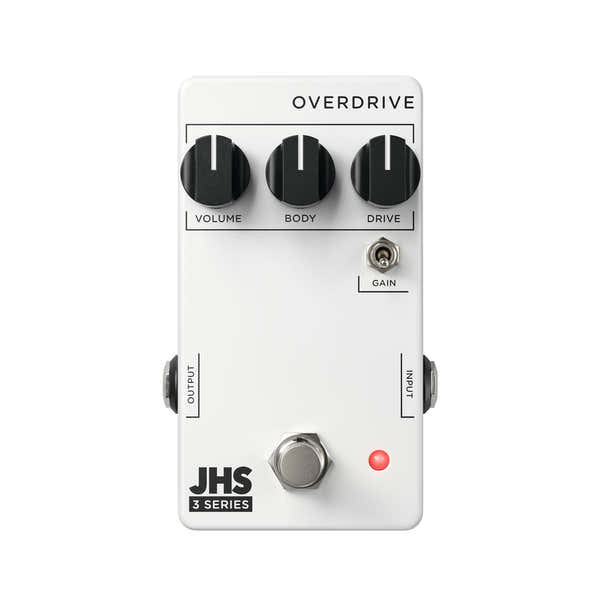
Jhs Pedals
3 Series Overdrive

Tc Electronic
Tailspin Vibrato

Strymon
Zuma Mounting Brackets
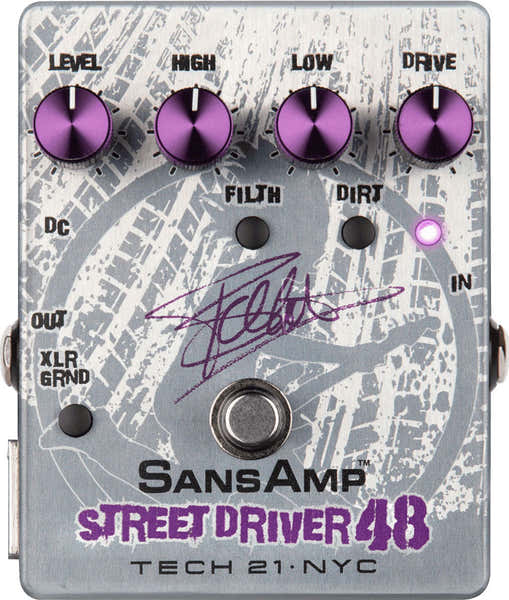
Tech21
Sansamp Street Driver 48
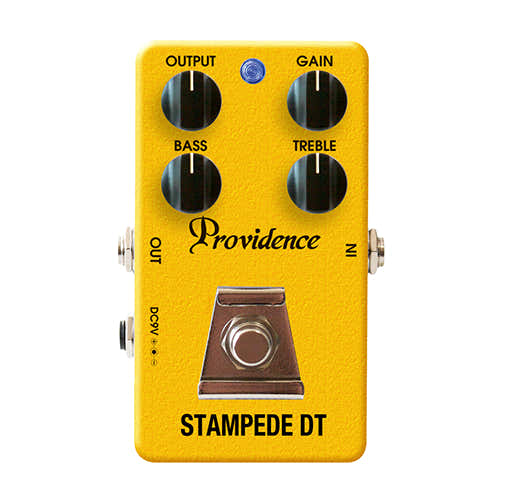
Providence
SDT-3 Stampede DT

Engl
Z-5 FOOTSWITCH 6 FUNCTIONS
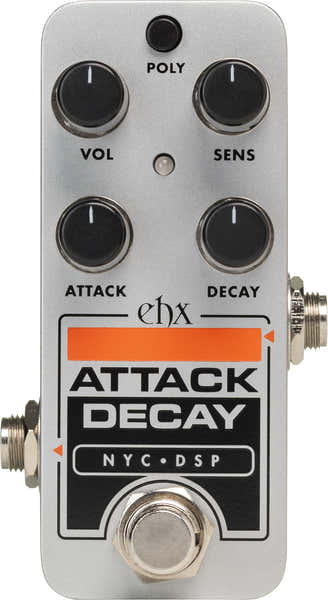
Electro Harmonix
Pico Attack Decay

Death By Audio
Moonbeam Phaser - Phaser

Lehle
Lehle P-iso
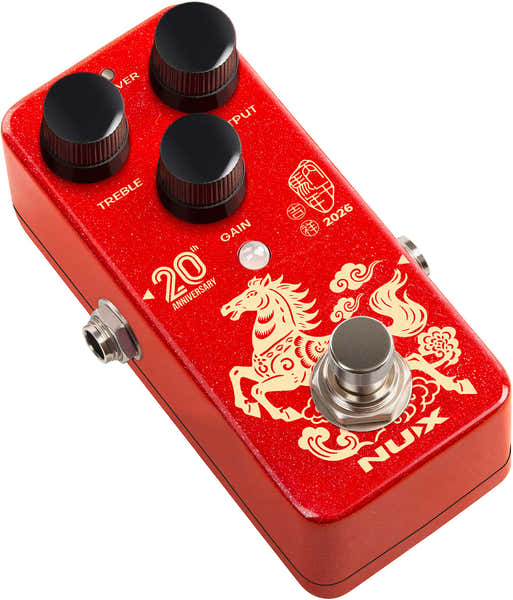
Nux
Horseman NOD-1 20th Anniversary

Electro Harmonix
Memory Boy Delay
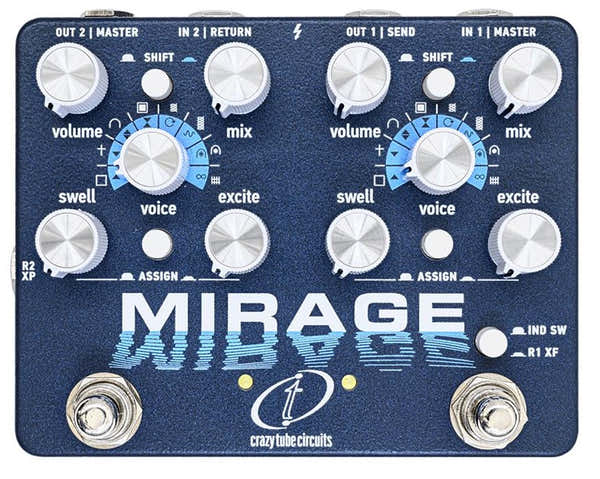
Crazy Tube Circuits
Mirage - Dual Reverb
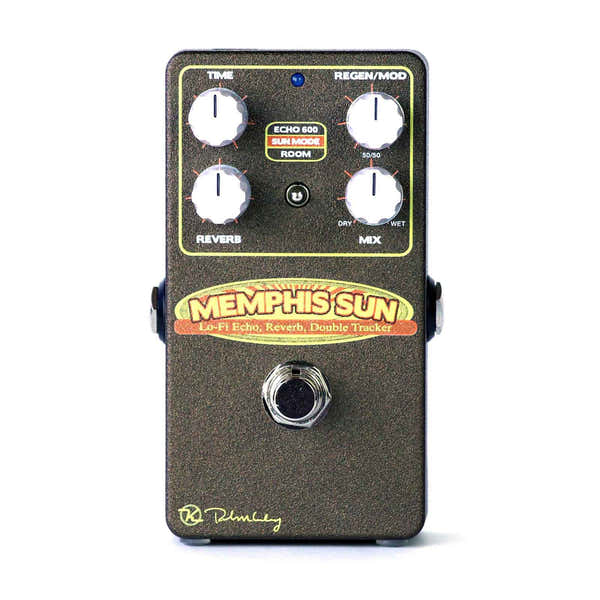
Keeley
MEMPHIS SUN

Jhs Pedals
Switchback

Neural Dsp
Quad Cortex Power Supply 12V - 3A

Earthquaker
One to Four Splitter

Electro Harmonix
Pico Swello Attack Filter
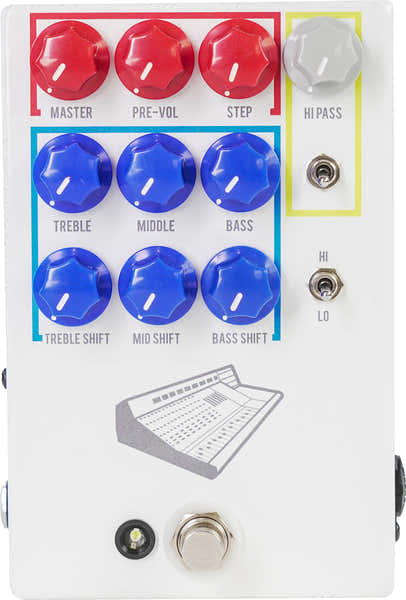
Jhs Pedals
Colour Box V2

Varta
LR14 Baby C
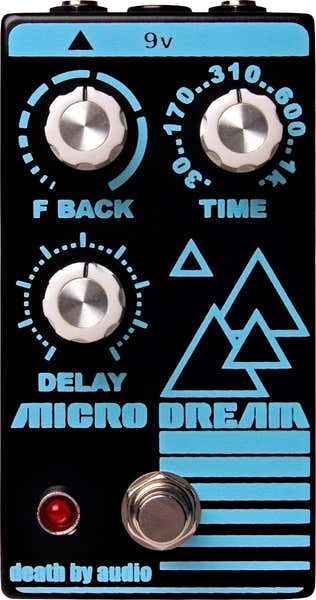
Death By Audio
Micro Dream
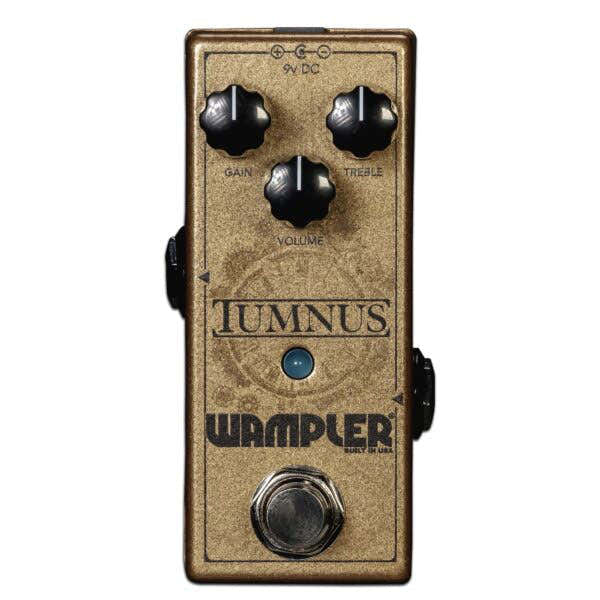
Wampler
Tumnus V2

Thorn Soundlabs
Bad Cash Flexible Drive

Voodoo Lab
PPREV-r Reverse Polarity

Rockboard
LIGHT FOR UNIVERSAL PEDALBOARD

CopperSound
Cir-Kit Breadboard Bundle Shrieking Eel

Earthquaker
Buffer/Signal Splitter

Rockboard
Cable ties CAB-tie-300-b

Truetone
1 Spot Pro XP5

Diamond
Tremolo
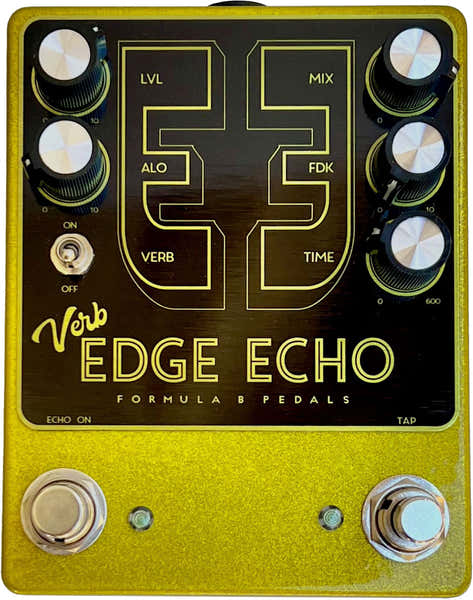
Formula B
Edge Echo Verb
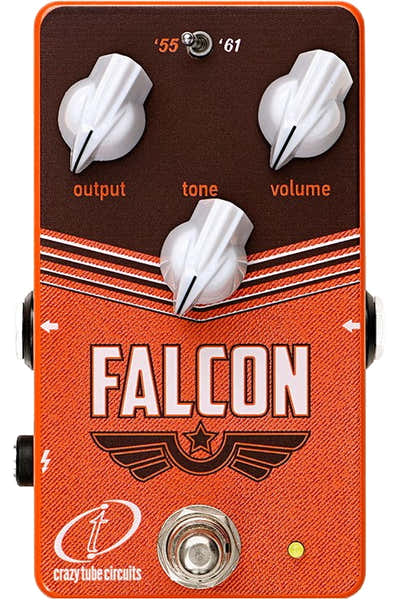
Crazy Tube Circuits
FALCON Overdrive

Rockgear
POWER SUPPLY NT3 12V-50MA
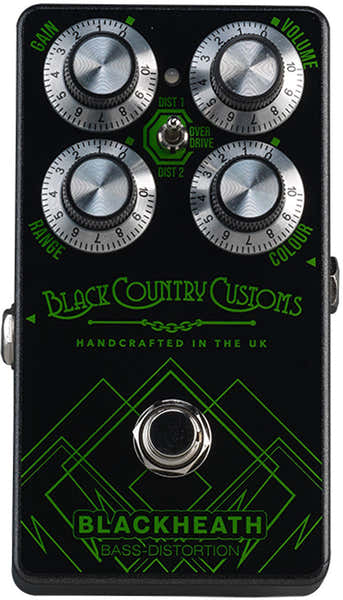
Laney
PEDAL BASS DISTORSION BCC BLACKHEATH

Kma Audio Machines
Pylon

Peterson
Strobo Vue

Electro Harmonix
Pico Pitch Fork

Jhs Pedals
Double Dragon Octaver

Empress Effects
Buffer +

Old Blood Noise Endeavors
Minim

Cioks
Sol Cassette Tape Version LTD

Tone City
TPS-12

Death By Audio
Evil Filter
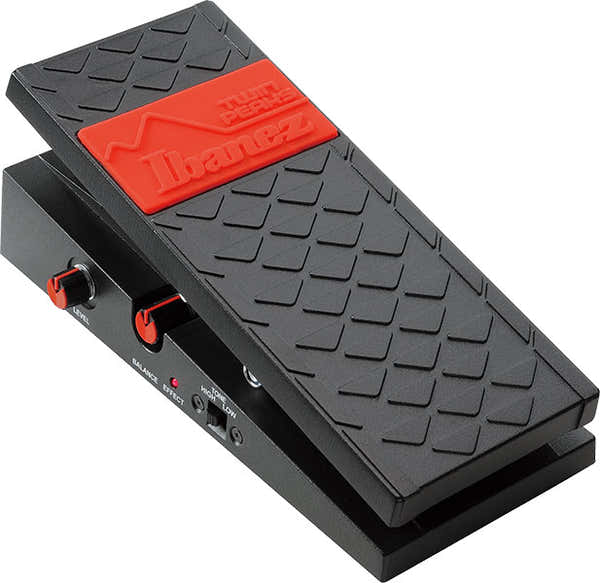
Ibanez
TWP10 Twin Peaks Wah

Vemuram
BUDI-g Boost

MXR
Randy Rhoads Distortion + RR104C

Jhs Pedals
FLIGHT DELAY WHITE

Jhs Pedals
Fumble
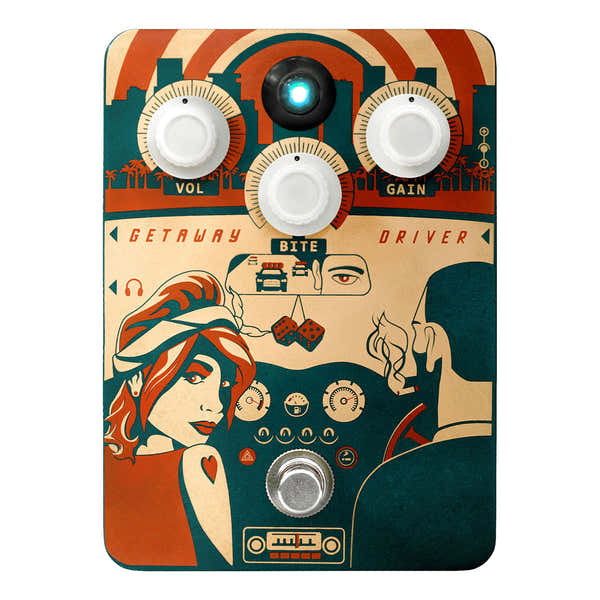
Orange Amps
GETAWAY DRIVER - PEDAL DRIVE
Which effects pedal should you start with?

The first pedal most guitarists buy is a drive pedal. For anyone just starting out, an overdrive aims to recreate the tone of a valve amp being pushed too hard. Some will say distortion and fuzz do that too, and that's both true and false. True, because ultimately they all push the signal until it starts to distort. False, because to your ears they're worlds apart! Fuzz, the oldest of the three, has a woolly, gritty texture (think of the Rolling Stones in the 60s), distortion goes further still, fat and compressed, and is what you hear in metal, while overdrive is the most restrained, from a light crunch to some pretty full-on rock. We have the most choice in drive effects, and Woodbrass has even brought out two own-brand mini pedals, an overdrive and a distortion, with three knobs each.
From there, everyone builds their pedalboard their own way, but there are some pedals you see pretty much everywhere. A reverb or a delay first (once you've tried them, it's hard to do without), a tuner pedal, which mutes the signal while you tune up, then a wah, a compressor, a chorus… whatever takes your fancy. The best approach, especially at first, is to get them one at a time: you learn to use each one properly before giving in to the temptation of the next! As for brands, Boss is our best-selling effects pedal brand.
Should you choose pedals or a multi-effects unit?

You're hard pushed to find anything more comprehensive than a multi-effects unit, with dozens of effects and often amp modelling in a single enclosure. To get that many effects from individual pedals, you'd need a board as long as the stage, and a seriously big car boot to carry it! Almost all of them have a tuner, often a headphone output for playing in the evening and a USB port for recording on your computer, and they store your settings, one tone per song if you like. Thanks to amp modelling, you can even plug straight into the PA system on days when your amp stays at home. At entry-level, there's Valeton, Nux or Mooer, further up the range there's Line 6, Boss, Fender or Neural DSP, and on stage, multi-effects floor processors with several footswitches are still the most practical.
With individual pedals, the advantage is freedom: you choose each effect (to suit your budget, of course), where it sits on the board and the order you connect them in, and you add another whenever there's a bit of space left. You can mix analogue and digital, small boutique brands and established classics, and if a pedal breaks down, you replace it without touching the rest. A multi-effects unit, on the other hand, takes a little time at first to set up your tones in the menus, after which you can recall everything with a tap of your foot. And you can quite happily combine the two, a multi-effects unit for delays and reverbs, with your favourite drive pedals in front!
Delay, reverb, chorus, wah: what are the other effects for?

After drive, it's often reverb that arrives on the pedalboard. It gives your tone a sense of space, from a small room to a cathedral, and it's amazing how much a simple clean tone benefits! Delay repeats what you play, like an echo, over a few milliseconds for a rockabilly tone or with long repeats for soundscapes. Both fall under time-based effects, where you'll see plenty of Strymon, TC Electronic and Walrus Audio. Chorus doubles your tone, as if a second guitar were playing along with you (listen to clean tones from the 80s, it's everywhere), and is one of the modulation effects, alongside phaser, flanger and tremolo. As for wah-wah, that's a category of its own: a treadle pedal you operate with your foot as you play (Dunlop and Morley have been making them for decades).
A compressor works wonders on clean tones, in funk or country, evening out the volume from note to note and adding sustain; with heavy distortion, you notice it less, since drive already compresses the tone. There are also pitch effects, which alter the pitch (octaver, harmoniser, down-tuning without touching the machine heads), and the looper, a little gem if you often play on your own: you play a rhythm part, it records it and plays it on a loop while you improvise over the top (Boss, TC Electronic and Electro-Harmonix make them, and so does Woodbrass). Do you play acoustic guitar? Acoustic guitar effects are mostly preamps, from Fishman or LR Baggs, and for bassists, there are pedals made for bass guitar from Darkglass, Aguilar or EBS.
How do you put together a pedalboard?

A pedalboard is the board you mount your pedals on, wired up once and for all, so you no longer spend the start of every rehearsal plugging everything back in. The main question is size: a big board leaves room for your next pedals (and there's always another one!), but takes up space on stage, especially in small venues, while a small one can be stored anywhere but fills up fast. The simplest way is to put your pedals on the floor, connected as they will be on the board, and take measurements, not forgetting the height. Think about your foot too: with two switches too close together, you'll soon find yourself switching on the chorus at the same time as the distortion! Rockboard, Pedaltrain, Gator, Voodoo Lab and Templeboards make them in all sizes, as does Woodbrass, including one with a built-in power supply.
As soon as you have several pedals on your board, they need a proper power supply. No need to dig out your physics notes, but before choosing from the effects pedal power supplies, there are three things to check: the voltage (almost always 9 volts), the connector polarity (usually centre negative) and the current. Add up the milliamps for all your pedals: the power supply needs to deliver at least that total, and watch out for delays and digital multi-effects units, which need far more than a small overdrive. Reversed polarity can stop the pedal working, or even damage it, which would be a shame with a brand-new pedal! Models with isolated outputs also prevent hiss and hum. And don't forget patch leads and velcro, which aren't always supplied with the board and can be found among the effects pedal accessories.
Then there's pedal order. First question, does your amp have an effects loop (two sockets marked Send and Return on the back)? If you use amp overdrive, it'll soon come in handy: you connect reverb and delay there, often modulation effects too, so they come after the distortion. If you mostly stick to a clean tone, everything can be connected in front of the amp. At the guitar end, you generally start with the tuner, followed by the compressor and wah, then the drive pedals. And since it's so easy to fall for a new pedal (it's even called GAS, for Gear Acquisition Syndrome), the perfect order is always changing! Try things out, swap two pedals round, that's often how you find a tone of your own.
Buying your effects pedals from Woodbrass
You need to try a pedal out, and two overdrives that look similar on paper can sound very different once they're plugged in. For that, Woodbrass's guitar shop in Paris's 19th arrondissement (182 avenue Jean Jaurès) is open Tuesday to Saturday, from 10.30 am to 7 pm. Can't decide between two delays? The shop's two demo rooms are made for that: you plug them in one after the other, in peace and quiet, and your ears soon decide! If you're coming by car, park at Vinci Park Cité de la Musique: with an in-store purchase, you're reimbursed for your first hour's parking.
Not in Paris? Call the sales advisers, message them on chat or by email; they answer on weekdays from 9 am to 6 pm, and on Saturdays from 10 am (until 6 pm). How many milliamps for your pedalboard, which multi-effects unit to start with, what order to connect everything in… don't hesitate, that's what they're there for!
When it comes to delivery, if the pedal is in stock online and you order it before 12.30 pm, it's dispatched the same day, and if it doesn't win you over, you have 30 days to return it, starting from the day you receive it. And to pay less, there's B-Stock (tested products with a 6-month warranty, currently including a few drive pedals) and refurbished gear, checked and covered by a 3-year warranty, not forgetting payment in instalments with Alma, handy when your pedalboard starts to fill up!